Learning Outcomes
i. Describe the locations, chemical compositions, and significance of primary and secondary cell walls and the middle lamella.
ii. Explain the roles of cell walls in plant cell structure and function.
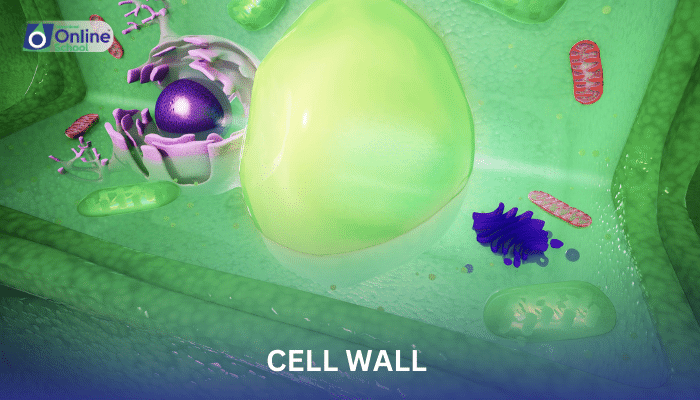
i. Locations of cell walls: Cell walls are found in all plant cells and some algae and fungi. In plant cells, the cell wall is located just outside the cell membrane. It is a non-living structure that provides support and protection for the cell.
ii. Chemical compositions of cell walls: Cell walls are made up of a variety of polysaccharides, including cellulose, hemicellulose, and pectin. Cellulose is the main structural component of the cell wall. It is a strong and flexible material that provides the cell wall with its rigidity. Hemicellulose and pectin are other polysaccharides that contribute to the strength and flexibility of the cell wall.
iii. Primary and secondary cell walls
There are two types of cell walls in plant cells: primary cell walls and secondary cell walls. The primary cell wall is the first cell wall to form. It is thin and flexible and allows the cell to grow and expand. The secondary cell wall is formed after the cell has stopped growing. It is thicker and stronger than the primary cell wall and provides additional support and protection for the cell.
iv. Middle lamella: The middle lamella is a thin layer of pectin that is found between the primary cell walls of adjacent cells. The middle lamella helps to hold the cells together and forms a continuous cell wall around the plant.
v. Significance of cell walls: Cell walls are essential for plant cell structure and function. They provide support and protection for the cell, allow the cell to maintain its shape, and prevent the cell from bursting when it takes up water. Cell walls are also important for cell communication and plant development.
vi. Roles of cell walls in plant cell structure and function
Here are some of the specific roles of cell walls in plant cell structure and function:
Support: Cell walls provide support for the cell and allow the plant to stand upright.
Protection: Cell walls protect the cell from mechanical damage, infection, and environmental stresses.
Shape: Cell walls help the cell to maintain its shape.
Water regulation: Cell walls prevent the cell from bursting when it takes up water.
Cell communication: Cell walls are involved in cell communication by allowing the passage of molecules between cells.
Plant development: Cell walls are important for plant development by regulating cell growth and differentiation.
Cell walls are essential components of plant cells. They provide support, protection, and shape for the cell and play important roles in cell communication and plant development.
